Why You'll Love It
- - Delicate aroma that lifts the spirit
- - Vibrant colors that brighten any table
- - Simple ingredients, quick to prepare
- - Healthy, light, and perfect for spring
"The flower pasta was a gentle surprise—soft, fragrant, and truly beautiful on the plate."
Essential Ingredient Guide
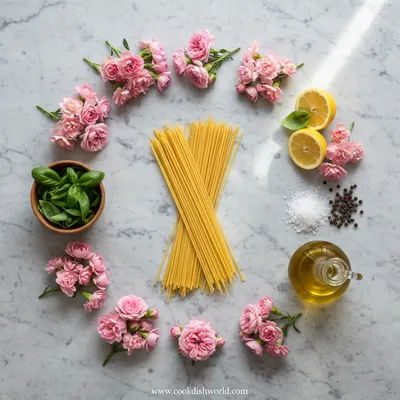
- Fresh edible flowers: Choose blossoms free of pesticides; rinse gently and pat dry to keep petals intact
- Good-quality pasta: Thin ribbons or linguine allow the flowers to show through without overwhelming the bite
- Lemon zest: Adds a bright lift that balances the subtle sweetness of the petals
- Extra‑virgin olive oil: Provides a silky mouthfeel and carries the aromatic notes
- Fresh herbs (basil, mint): Introduce a fragrant undertone that complements the flowers
- A pinch of sea salt: Enhances the natural flavors without making it salty
Complete Cooking Process
-
Ingredient Readiness:
Rinse flowers, trim stems, and gently pat dry. Bring pasta to a boil in salted water.
-
Flavor Development:
Warm olive oil, add lemon zest and herbs, then toss the cooked pasta to coat.
-
Texture Control:
Fold in the petals just before serving to keep them tender and bright.
-
Finishing Touches:
Season with a pinch of sea salt and a drizzle of extra‑virgin olive oil.
-
Serving Timing:
Serve immediately while the pasta is warm and the flowers release their perfume.
- Use flowers that are fully open for best color
- Toss gently to avoid bruising delicate petals
- Add a splash of lemon juice at the last moment for extra brightness
- Pair with a light white wine for a harmonious finish
Pro Tips
I always find that a little patience in handling the petals makes the whole experience feel like a quiet ceremony. The dish doesn’t need much—just a calm kitchen, a soft hum, and the willingness to let nature speak through flavor. Take your time, and the pasta will reward you with its gentle, floral whisper.
The essence of the dish:
A fun fact or historical angle:
Flavor or sensory focus:
You Must Know
- Handle petals gently to keep their shape
- Use a pasta shape that showcases the flowers
- Season lightly—let the natural flavors lead
Frequently Asked Questions
→ Can I use dried flowers?
Dried petals can be used, but they lose much of their delicate texture and fragrance; fresh is best.
→ What pasta shape works best?
Thin ribbons, linguine, or even small shells hold the flowers without overwhelming them.
→ Is this dish suitable for vegans?
Yes, as long as you choose a vegan pasta and omit any cheese garnish.
→ How long can I keep leftover pasta?
Store in an airtight container for up to two days; reheat gently and add a splash of olive oil.
→ Can I add protein?
Grilled chicken, shrimp, or tofu pair nicely without masking the floral notes.
→ What wine pairs well?
A crisp Sauvignon Blanc or a light sparkling wine enhances the bright flavors.
Chef's Tips
Handle the petals with care; they are delicate and can bruise easily.,If you can't find edible flowers, a handful of fresh herbs can provide a milder green note.,Add a dash more lemon juice if you prefer extra brightness.
Nutrition Facts
per serving
320
Calories
8g
Protein
50g
Carbs
9g
Fat
Taste Profile
Delicate, aromatic, and lightly citrusy
Ingredient Substitutions
Don't have an ingredient? Try these alternatives
Will change flavor profile but keep the green freshness
Offers a sweeter citrus note
Recipe Variations
Try these delicious twists on the original
Spicy Version
Add a pinch of red pepper flakes and a drizzle of chili oil for a gentle heat.
Mediterranean Style
Mix in crumbled feta, olives, and sun‑dried tomatoes for a richer, savory twist.
Common Mistakes to Avoid
Learn from others' mistakes for perfect results
- Over‑cooking the pasta, which masks the delicate flower flavor.
- Adding flowers too early, causing them to wilt and lose color.
- Using too much salt, overwhelming the subtle bouquet.
Meal Prep & Storage
Make Ahead Tips
You can rinse and dry the flowers a day ahead; store them in a paper towel-lined container in the fridge.
Leftover Ideas
Reheat gently in a skillet with a splash of olive oil; add a little lemon juice to refresh the flavor.
Perfect Pairings
Serve this with...
Cooking Timeline
Gather and prep all ingredients; rinse flowers and zest lemon.
Boil pasta until al dente; reserve cooking water.
Warm olive oil, add zest, and toss cooked pasta with oil and herbs.
Fold in flowers, season, and finish with lemon juice.
Delicious Flower Pasta Recipe
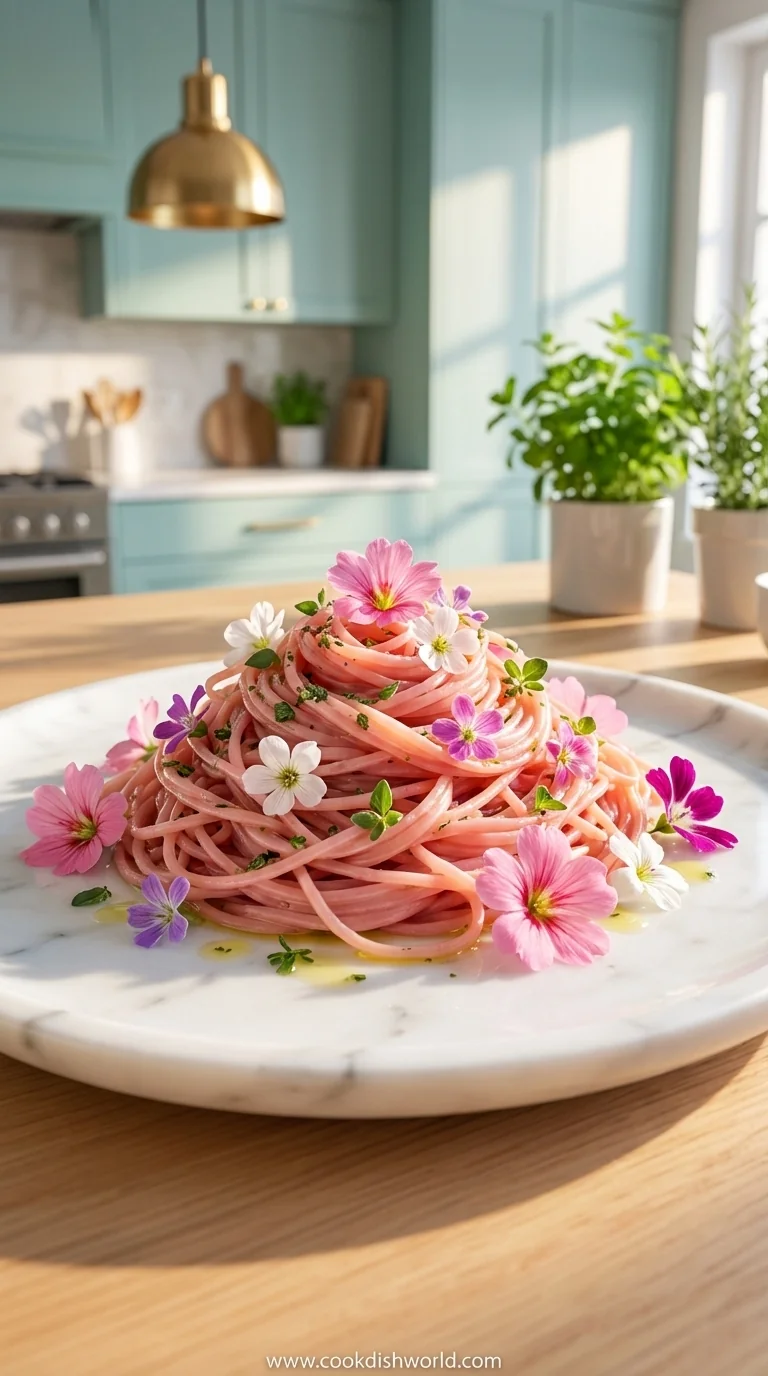
A light, aromatic pasta that brings the gentle fragrance of fresh blossoms to your table. The strands curl around bright petals, creating a dish that's as beautiful as it is comforting. Perfect for a sunny afternoon when you crave something simple yet unforgettable. creamy lemon pasta offers a bright counterpart, while spicy burrata rigatoni adds a touch of heat for those adventurous moments.
Timing
Prep Time
15 Minutes
Cook Time
10 Minutes
Total Time
25 Minutes
Recipe Details
Ingredients
Main Ingredients
- 01 12 oz linguine or thin ribbons
- 02 1 cup mixed edible flowers (such as nasturtiums, violets, pansies)
- 03 2 tbsp extra‑virgin olive oil
- 04 1 tsp lemon zest
- 05 1 tbsp fresh lemon juice
- 06 2 tbsp finely chopped fresh basil
- 07 1 tbsp finely chopped fresh mint
- 08 Pinch of sea salt
Instructions
Bring a large pot of salted water to a boil; add the pasta and cook until al dente, about 8‑9 minutes.
While the pasta cooks, rinse the edible flowers gently under cool water, trim any thick stems, and pat them dry with a paper towel.
In a large skillet, warm the olive oil over medium heat, add the lemon zest and let it perfume the oil for 30 seconds.
Drain the pasta, reserving ¼ cup of cooking water. Toss the pasta into the skillet, add lemon juice, the reserved water, and gently fold in the fresh herbs.
Remove the skillet from heat, sprinkle the petals over the pasta, and season lightly with sea salt. Give a final gentle toss to coat.
Serve immediately, garnished with a few extra flowers for visual appeal.
Notes & Tips
- 1 Handle the petals with care; they are delicate and can bruise easily.
- 2 If you can't find edible flowers, a handful of fresh herbs can provide a milder green note.
- 3 Add a dash more lemon juice if you prefer extra brightness.
Tools You'll Need
-
Large pot
-
Colander
-
Skillet
-
Sharp knife
-
Cutting board
-
Wooden spoon
Must-Know Tips
- Don't overcook the pasta; al dente texture lets the flowers stay distinct.
- Pat the flowers dry thoroughly to avoid excess water.
- Taste and adjust seasoning at the end, as the flowers add subtle flavor.
Professional Secrets
- Use warm olive oil to release citrus oils without burning.
- Reserve pasta water; its starch helps bind the sauce lightly.
- Add flowers off the heat to preserve their color and fragrance.

Recipe by
AmeliaAmelia is a seasoned food blogger and recipe creator at CookDishWorld, where she blends culinary expertise with an unwavering love for sharing delicio ...
Get Delicious Recipes Weekly
Join 25,000+ home cooks getting our best recipes straight to their inbox.
Free forever • No spam • Unsubscribe anytime