Why You'll Love It
- - A buttery fragrance that fills the kitchen
- - Simple ingredients you probably have on hand
- - A tender, melt‑in‑the‑mouth crumb
- - Versatile for breakfast, dessert, or a simple snack
*"The cake tasted like a quiet sunrise—soft, sweet, and impossibly buttery."*
Essential Ingredient Guide
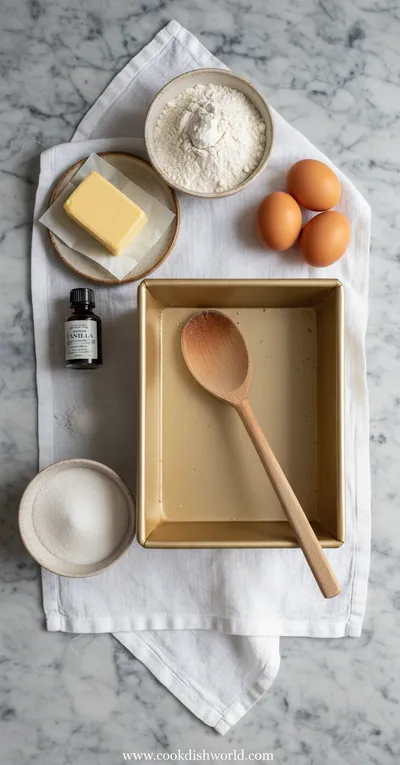
- Unsalted butter: Use high‑quality European butter; melt slowly to develop a golden aroma.
- All‑purpose flour: Sift lightly to keep the crumb airy and light.
- Granulated sugar: Ensures a fine texture and helps caramelize the butter.
- Vanilla extract: Adds a warm, fragrant undertone; use pure extract for best flavor.
- Lemon zest: A touch of citrus brightens the richness without overpowering.
- Whole eggs: Room‑temperature eggs create a smooth batter and help the cake rise.
Complete Cooking Process
-
Ingredient Readiness:
Measure and soften butter, sift flour, zest lemon, and whisk eggs to room temperature before you begin.
-
Flavor Development:
Melt butter gently until it turns a deep amber, then cool slightly before mixing with sugar and eggs.
-
Texture Control:
Fold flour in carefully to retain air, avoiding over‑mixing which can make the cake dense.
-
Finishing Touches:
Brush the top with a light glaze of butter and sugar just before the final bake for a subtle shine.
-
Serving Timing:
Allow the cake to rest for ten minutes out of the pan; the crumb settles and the flavors deepen.
- Use a kitchen scale for precise butter and flour amounts.
- Cool the melted butter to about 120°F before combining with eggs.
- Bake on the middle rack for even heat distribution.
- A gentle shake of the pan before baking releases any trapped air bubbles.
Pro Tips
These little habits keep the cake tender and prevent a dry edge. I remember once I over‑baked by just a minute, and the crumb turned a little crumbly—so now I always set a timer five minutes early and check the center with a toothpick. When it comes out clean with a few moist crumbs, you know it’s perfect.
The essence of the dish:
A fun fact or historical angle:
Flavor or sensory focus:
You Must Know
- Do not over‑beat the batter after adding flour.
- Allow the butter to cool slightly before mixing with eggs.
- Check the cake at the minimum bake time; it continues to set as it cools.
Frequently Asked Questions
→ Can I use salted butter?
You can, but reduce the added salt by half to keep the balance right.
→ How long does the cake stay fresh?
Wrapped tightly, it stays soft for up to three days at room temperature.
→ Can I add almond flour?
A quarter of the flour can be swapped for almond flour for a nutty twist, but it will change the texture slightly.
→ What glaze works best?
A simple glaze of powdered sugar mixed with a touch of milk adds a sweet sheen without overpowering.
→ Is frozen storage possible?
Yes, freeze slices wrapped in parchment and a freezer bag; thaw at room temperature before serving.
→ Can I make this cake gluten‑free?
Swap all‑purpose flour for a gluten‑free blend; ensure it contains xanthan gum for structure.
Chef's Tips
If the butter browns too quickly, lower the heat; it should smell nutty, not burnt.,For extra flavor, add a pinch of ground cardamom to the batter.,Store the cake uncovered for a crisp top, or covered for a softer crumb.
Nutrition Facts
per serving
380
Calories
5g
Protein
48g
Carbs
18g
Fat
Taste Profile
Rich buttery sweetness with a hint of citrus
Ingredient Substitutions
Don't have an ingredient? Try these alternatives
Will give a nuttier flavor and denser texture; use 10% less liquid.
Adds a slight caramel note; reduce by 1 tablespoon for consistent sweetness.
Recipe Variations
Try these delicious twists on the original
Spicy Version
Add a pinch of ground cinnamon and a dash of orange zest for a warm, spicy twist.
Mediterranean Style
Stir in finely chopped toasted almonds and a drizzle of honey after baking.
Common Mistakes to Avoid
Learn from others' mistakes for perfect results
- Over‑mixing after flour addition, leading to a dense crumb.
- Using butter that’s too hot, which can scramble the eggs.
- Baking too long, resulting in a dry edge.
Meal Prep & Storage
Make Ahead Tips
You can bake the cake a day ahead, then gently reheat slices in the oven for 5 minutes before serving.
Leftover Ideas
Rewarm a slice in a skillet over low heat, adding a pat of butter for extra richness.
Perfect Pairings
Serve this with...
Cooking Timeline
Preheat oven; prepare pan; melt butter.
Whisk sugar into butter, add eggs one at a time.
Stir in vanilla, zest, then fold in flour.
Bake cake; test for doneness with a toothpick.
Cool, glaze if desired, and transfer to serving plate.
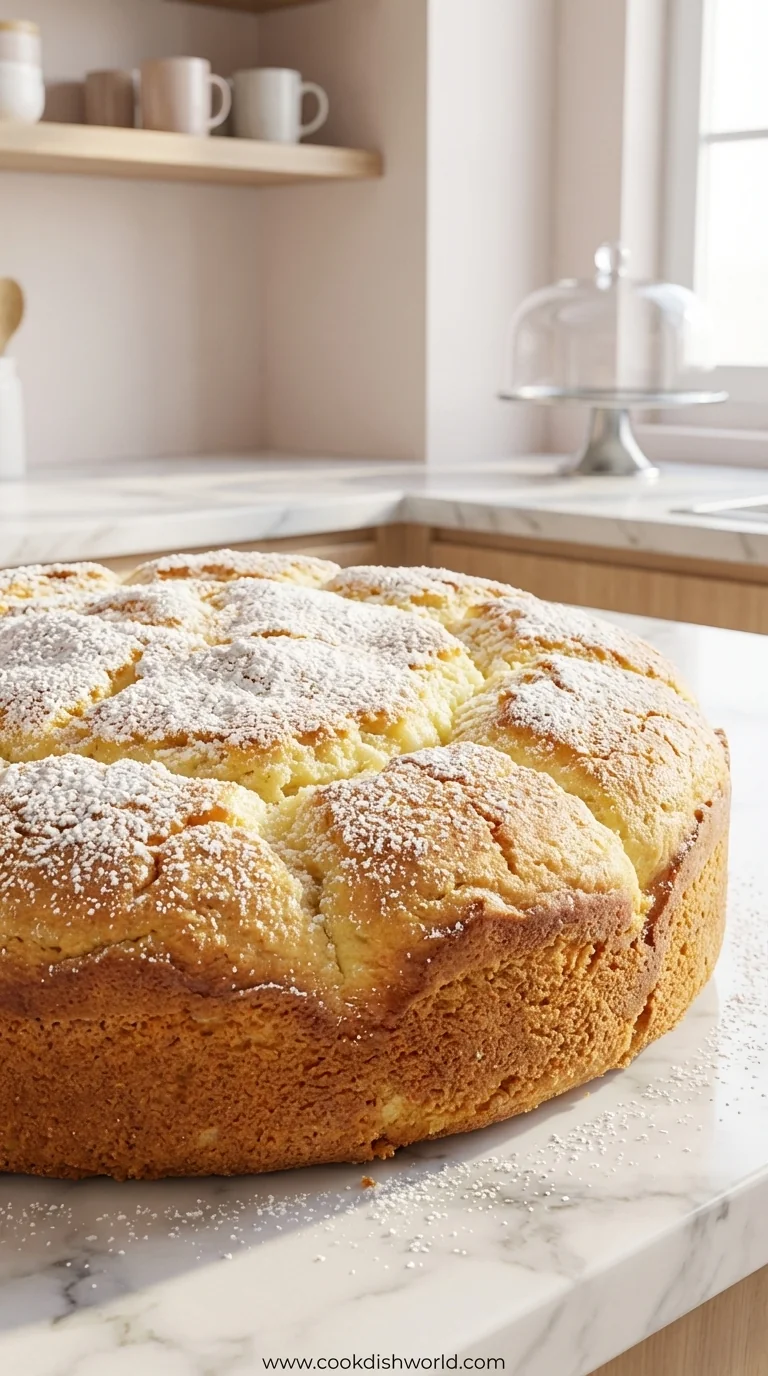
French Butter Cake Recipe
A velvety French Butter Cake that drifts you into a buttery reverie. Soft, fragrant, and simple enough for any gathering, this cake rings with the sweet hush of vanilla and the quiet glow of golden butter.
Timing
Prep Time
20 Minutes
Cook Time
30 Minutes
Total Time
50 Minutes
Recipe Details
Ingredients
Cake Batter
- 01 1 cup (226 g) unsalted butter, melted and lightly browned
- 02 1 ½ cups (300 g) granulated sugar
- 03 3 large eggs, room temperature
- 04 2 ¼ cups (280 g) all‑purpose flour, sifted
- 05 ¼ tsp salt
- 06 1 tsp pure vanilla extract
- 07 1 tsp lemon zest
Optional Glaze
- 01 ½ cup powdered sugar
- 02 2‑3 tsp milk or lemon juice
Instructions
Preheat the oven to 350°F (175°C). Grease a 9‑inch round cake pan and line the bottom with parchment.
Melt the butter over low heat until it turns a deep amber, then let it cool to about 120°F.
In a large bowl, whisk the sugar and cooled butter together until smooth; slowly add the eggs one at a time, whisking gently after each.
Stir in vanilla extract and lemon zest. Sift the flour with salt over the mixture and fold in just until combined—no more.
Pour the batter into the prepared pan, smooth the top, and bake for 25‑30 minutes, or until a toothpick inserted near the center comes out with a few moist crumbs.
Allow the cake to cool in the pan for ten minutes, then turn out onto a wire rack. If using the glaze, whisk powdered sugar with milk until smooth and drizzle over the warm cake.
Notes & Tips
- 1 If the butter browns too quickly, lower the heat; it should smell nutty, not burnt.
- 2 For extra flavor, add a pinch of ground cardamom to the batter.
- 3 Store the cake uncovered for a crisp top, or covered for a softer crumb.
Tools You'll Need
-
9‑inch round cake pan
-
Parchment paper
-
Saucepan for melting butter
-
Electric mixer or whisk
-
Sifter
-
Wire cooling rack
Must-Know Tips
- Don't over‑mix after adding flour, it can create a dense crumb.
- Let the butter cool slightly before combining with eggs to avoid curdling.
- Taste the batter for sweetness before baking; adjust if needed.
Professional Secrets
- Room‑temperature butter blends evenly, avoiding lumps.
- Browning butter unlocks nutty flavors that elevate the cake.
- Using parchment ensures a clean release without tearing the delicate crust.

Recipe by
AmeliaAmelia is a seasoned food blogger and recipe creator at CookDishWorld, where she blends culinary expertise with an unwavering love for sharing delicio ...
Get Delicious Recipes Weekly
Join 25,000+ home cooks getting our best recipes straight to their inbox.
Free forever • No spam • Unsubscribe anytime