Why You'll Love It
- - Bright citrus aroma that awakens the senses
- - Creamy texture without heavy cream
- - Ready in under 30 minutes, perfect for busy evenings
- - Vegetarian-friendly and adaptable
"The lemon‑ricotta balance is perfect—comforting yet uplifting. My family asks for it every week!"
Essential Ingredient Guide
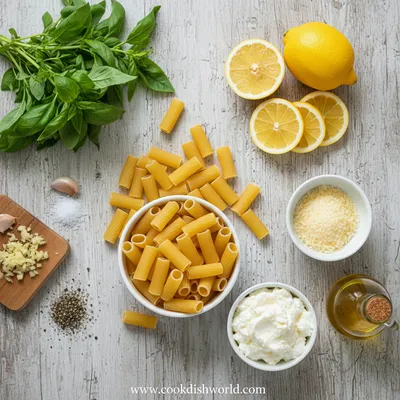
- Lemon zest and juice: Provides the signature fragrance; choose a fresh, unblemished lemon for the brightest flavor.
- Ricotta cheese: Use full‑fat ricotta for a silkier sauce; stir gently to keep it smooth.
- Pasta (linguine or fettuccine): A long, flat noodle clings to the sauce, allowing each bite to be coated evenly.
- Olive oil: Adds a subtle fruitiness and helps to sauté aromatics without burning.
- Parmesan cheese: Finishes the dish with a salty, nutty edge; grate just before serving.
- Fresh basil or flat‑leaf parsley: A sprinkle adds color and a fragrant herb note that balances the lemon.
Complete Cooking Process
-
Ingredient Readiness:
Measure and zest the lemon first, then juice it. Pat the ricotta dry with a paper towel to avoid excess water.
-
Flavor Development:
Sauté garlic in olive oil until fragrant, then stir in lemon zest, juice, and ricotta, letting the sauce come together gently.
-
Texture Control:
Reserve a cup of pasta cooking water; add a splash to the sauce to achieve a silky coat that clings to each strand.
-
Finishing Touches:
Toss the cooked pasta with the sauce, finish with Parmesan, fresh herbs, and a drizzle of extra‑virgin olive oil.
-
Serving Timing:
Serve immediately while the sauce is warm and the lemon aroma is most vivid; the dish cools quickly.
- Grate the lemon zest before juicing to keep the zest bright.
- Use room‑temperature ricotta to blend smoothly without lumps.
- Add pasta water a little at a time; you can always thin, but you can’t thicken again.
Pro Tips
These little adjustments keep the sauce glossy and prevent it from separating. I remember a time when I over‑added water and ended up with a soupy mess—oops! Learning to trust the parchment of the sauce makes all the difference.
The essence of the dish:
A fun fact or historical angle:
Flavor or sensory focus:
You Must Know
- Do not over‑cook the pasta; al dente preserves sauce adhesion.
- Taste the sauce before adding salt; the cheese already carries salt.
- A splash of reserved pasta water is the secret to silkiness.
Related inspiration:
Another tasty tweak:
Frequently Asked Questions
→ Can I use cottage cheese instead of ricotta?
Yes, but cottage cheese is wetter; drain it well and consider adding a bit more Parmesan to maintain richness.
→ Is this dish gluten‑free?
Swap the wheat pasta for a gluten‑free variety; the sauce works the same.
→ How do I store leftovers?
Cool the pasta, then refrigerate in an airtight container for up to two days; reheat gently with a splash of water.
→ Can I freeze this pasta?
Freezing is possible, though the ricotta texture may change; it's best enjoyed fresh.
→ What lemon variety works best?
A bright, thin‑skinned Meyer lemon offers a sweeter aroma, but regular Eureka lemons give a classic zest.
→ Can I add vegetables?
Absolutely—peas, spinach, or roasted asparagus add color and nutrition without overpowering the sauce.
Chef's Tips
Taste the sauce before adding salt; lemon and cheese already provide seasoning.,If the sauce thickens too quickly, add more pasta water to loosen it.,For a richer flavor, stir in a pat of butter just before plating.
Nutrition Facts
per serving
420
Calories
16g
Protein
48g
Carbs
18g
Fat
Taste Profile
Bright citrus with creamy richness
Ingredient Substitutions
Don't have an ingredient? Try these alternatives
May result in a richer sauce; reduce added butter accordingly.
Use half the amount and add a splash of water to balance acidity.
Recipe Variations
Try these delicious twists on the original
Spicy Version
Add a pinch of red pepper flakes to the garlic step for a gentle heat that contrasts the lemon.
Mediterranean Style
Stir in chopped olives, sun‑dried tomatoes, and a handful of feta for a briny twist.
Common Mistakes to Avoid
Learn from others' mistakes for perfect results
- Over‑cooking the pasta, which causes it to absorb too much sauce.
- Adding all the pasta water at once, resulting in a watery sauce.
- Heating the ricotta too quickly, leading to curdling.
Meal Prep & Storage
Make Ahead Tips
You can zest and juice the lemons up to 24 hours ahead; keep ricotta covered in the fridge and bring to room temperature before cooking.
Leftover Ideas
Reheat gently in a skillet over low heat, adding a splash of pasta water to revive the sauce.
Perfect Pairings
Serve this with...
Cooking Timeline
Zest and juice lemons; mince garlic; bring water to boil.
Cook pasta until al dente; reserve cooking water.
Sauté garlic in olive oil, then add lemon zest and juice.
Stir in ricotta, creating a smooth sauce; adjust heat.
Combine pasta with sauce, add reserved water for silkiness, finish with cheese and herbs.
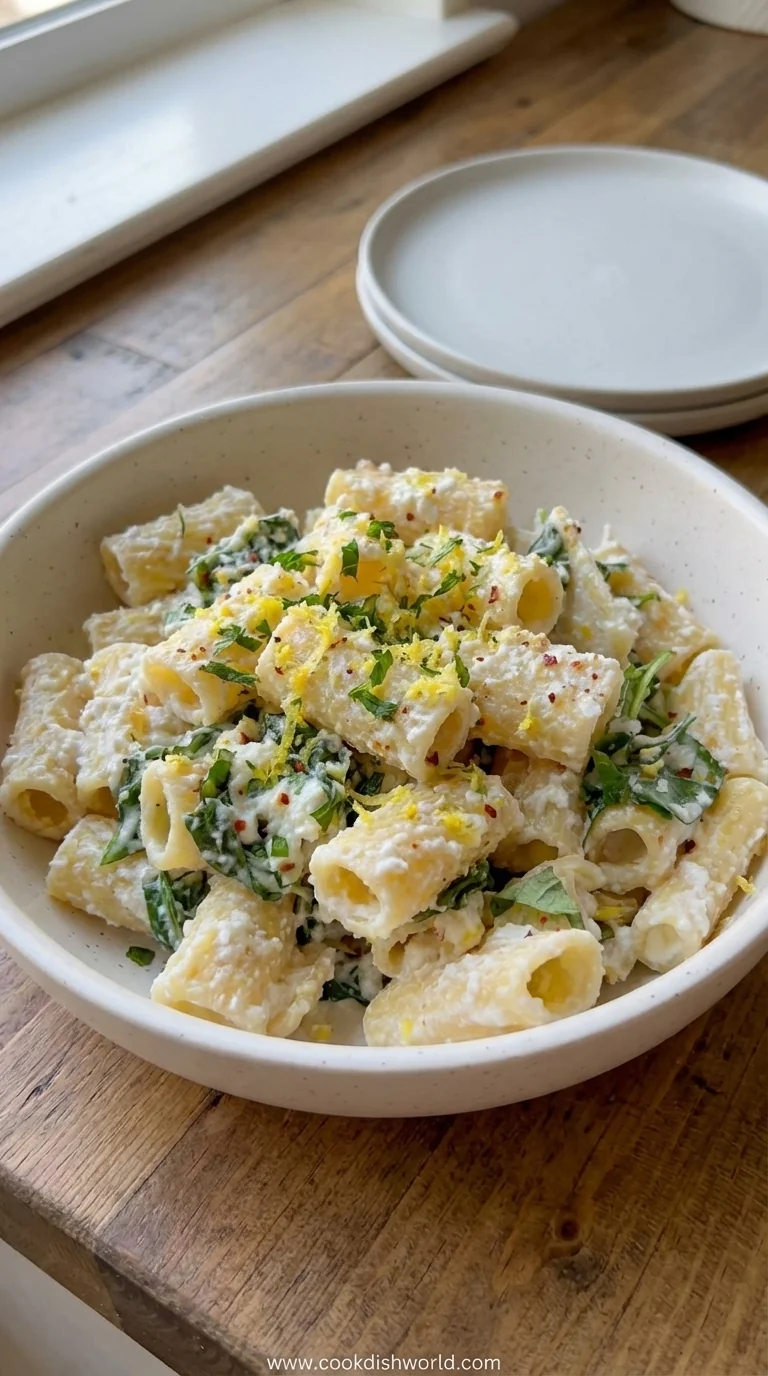
Lemon Ricotta Pasta
A bright, creamy lemon ricotta pasta that feels like sunshine on a plate—quick to whisk together, soft noodles hugging a silky citrus sauce, perfect for a comforting midweek dinner.
Timing
Prep Time
15 Minutes
Cook Time
20 Minutes
Total Time
35 Minutes
Recipe Details
Ingredients
Main Ingredients
- 01 12 oz linguine or fettuccine
- 02 1 cup full‑fat ricotta cheese
- 03 Zest of 2 large lemons
- 04 Juice of 2 lemons (about 1/4 cup)
- 05 2 cloves garlic, minced
- 06 2 tbsp extra‑virgin olive oil
- 07 1/3 cup grated Parmesan cheese
- 08 2 tbsp chopped fresh basil or parsley
- 09 Salt and freshly ground black pepper to taste
Optional Add‑Ins
- 01 1 cup toasted pine nuts
- 02 1 cup peas, blanched
- 03 Crushed red pepper flakes for a hint of heat
Instructions
Bring a large pot of salted water to a boil; add the pasta and cook until al dente, about 9‑11 minutes. Reserve 1 cup of cooking water before draining.
While the pasta cooks, heat olive oil in a wide skillet over medium heat. Add the minced garlic and sauté just until fragrant, about 30 seconds—be careful not to brown.
Stir in the lemon zest, then pour in the lemon juice, letting it sizzle gently. Reduce the heat to low and fold in the ricotta, stirring until the mixture is smooth and glossy.
Add the cooked pasta to the skillet, tossing to coat each strand. Drizzle in the reserved pasta water a little at a time until the sauce reaches a silky consistency.
Finish with grated Parmesan, fresh herbs, and a generous pinch of salt and pepper. Serve immediately, offering extra lemon wedges on the side if desired.
Notes & Tips
- 1 Taste the sauce before adding salt; lemon and cheese already provide seasoning.
- 2 If the sauce thickens too quickly, add more pasta water to loosen it.
- 3 For a richer flavor, stir in a pat of butter just before plating.
Tools You'll Need
-
Large pot
-
Colander
-
Wide skillet
-
Wooden spoon
-
Microplane or fine grater
-
Measuring cups
Must-Know Tips
- Don’t over‑cook the pasta; al dente keeps the sauce clinging.
- Use room‑temperature ricotta for a lump‑free sauce.
- Add pasta water gradually to control sauce thickness.
Professional Secrets
- Warm the ricotta before mixing to prevent curdling.
- Finish the dish off‑heat to keep the sauce silky.
- Reserve pasta water with starch; it acts as a natural thickener.

Recipe by
AmeliaAmelia is a seasoned food blogger and recipe creator at CookDishWorld, where she blends culinary expertise with an unwavering love for sharing delicio ...
Get Delicious Recipes Weekly
Join 25,000+ home cooks getting our best recipes straight to their inbox.
Free forever • No spam • Unsubscribe anytime