Why You'll Love It
- - A buttery crust that crumbles gently
- - Silky, rich filling that melts in your mouth
- - Subtle sea‑salt sparkle that elevates caramel
- - Simple steps that feel like a calm kitchen ritual
*"The caramel swirl is just the right amount of sweet, and the hint of salt makes it unforgettable—my family asks for seconds every time!"*
Essential Ingredient Guide
- Cream cheese: Choose full‑fat cream cheese for the smoothest texture; let it soften before mixing.
- Caramel sauce: Make caramel slowly over medium heat; a pinch of sea salt at the end brightens the flavor.
- Graham crackers: Toast them lightly for a deeper, nutty crust, then crush finely.
- Vanilla extract: A splash adds warmth without overpowering the caramel.
- Lemon juice: Just a teaspoon to balance sweetness with a gentle acidity.
- Brown sugar: Provides caramel depth; avoid white sugar for richer color.
Complete Cooking Process
-
Ingredient Readiness:
Soften the cream cheese, melt butter for the crust, and prepare caramel ahead so it can cool slightly before folding into the filling.
-
Flavor Development:
When the caramel reaches a deep amber, add the sea salt and let the aroma settle; this is where the magic begins.
-
Texture Control:
Mix the filling just until smooth—over‑mixing can incorporate too much air, making the cake crumbly.
-
Finishing Touches:
Swirl the cooled caramel through the poured batter, then sprinkle a final pinch of sea salt on top before baking.
-
Serving Timing:
Allow the cheesecake to chill at least four hours; this lets the flavors meld and the texture set perfectly.
- Use a water bath to prevent cracks on the surface.
- Pat the crust down firmly with the back of a spoon.
- Let the caramel cool to a syrupy consistency before swirling.
- Run a thin knife around the pan edge after baking for an easy release.
Pro Tips
Well, these little adjustments make a big difference. I find that a gentle water bath keeps the top smooth, and a quick chill in the fridge after baking helps the cake firm up without drying. It’s those quiet moments—checking the crust, feeling the silky filling—that turn a recipe into a ritual.
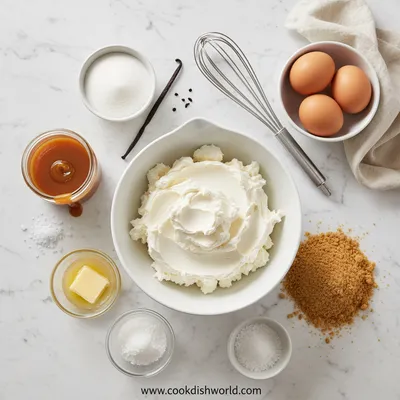
The essence of the dish:
A fun fact or historical angle:
Flavor or sensory focus:
You Must Know
- Never over‑beat the filling; it stays smooth.
- A water bath shields the surface from sudden temperature changes.
- Cool the caramel before folding to avoid melting the cheese.
Frequently Asked Questions
→ Can I use a different crust?
Yes, a shortbread or vanilla wafer crust works nicely; just press it firmly and bake briefly.
→ How do I prevent cracks?
Bake in a water bath, avoid sudden temperature changes, and let the cheesecake cool gradually in the oven.
→ What sea salt should I use?
Fine fleur de sel or Maldon flakes add a delicate crunch without overwhelming the caramel.
→ Can I make this gluten‑free?
Swap the graham crackers for gluten‑free cookies or almond flour; the texture remains wonderful.
→ How long can leftovers be stored?
Keep the cheesecake covered in the refrigerator for up to five days; the flavor deepens.
→ Is it safe to freeze?
Yes, wrap tightly and freeze for up to two months; thaw in the fridge before serving.
Chef's Tips
If you prefer a richer caramel, let it cook a minute longer before adding salt.,A gentle tap on the pan after baking helps release any tiny air bubbles.,For a glossy finish, brush a thin layer of melted butter on the crust before the first bake.
Nutrition Facts
per serving
420
Calories
7g
Protein
35g
Carbs
28g
Fat
Taste Profile
A rich sweet base brightened by gentle sea‑salt notes
Ingredient Substitutions
Don't have an ingredient? Try these alternatives
Mascarpone yields an even richer texture but may need slightly less sugar.
Digestives give a deeper buttery flavor; crush finely.
Recipe Variations
Try these delicious twists on the original
Spicy Version
Add a pinch of cayenne pepper to the caramel for a subtle heat that lifts the sweetness.
Mediterranean Style
Stir in a tablespoon of finely chopped pistachios and a drizzle of honey for a nutty, floral twist.
Common Mistakes to Avoid
Learn from others' mistakes for perfect results
- Over‑mixing the filling, which can trap air and cause cracks.
- Adding caramel when too hot, which melts the cheese.
- Skipping the water bath, leading to an uneven surface.
Meal Prep & Storage
Make Ahead Tips
You can prepare the crust and fill the pan a day ahead; keep refrigerated, then bake when ready.
Leftover Ideas
Reheat gently in a microwave for 15 seconds if you prefer a slightly warmed slice.
Perfect Pairings
Serve this with...
Cooking Timeline
Prepare crust, press into pan, and bake briefly.
Beat cream cheese and sugar until smooth.
Add eggs, sour cream, vanilla, lemon, and salt; fold in caramel.
Pour batter, swirl caramel, and place in water bath.
Bake, then cool in oven before refrigerating.
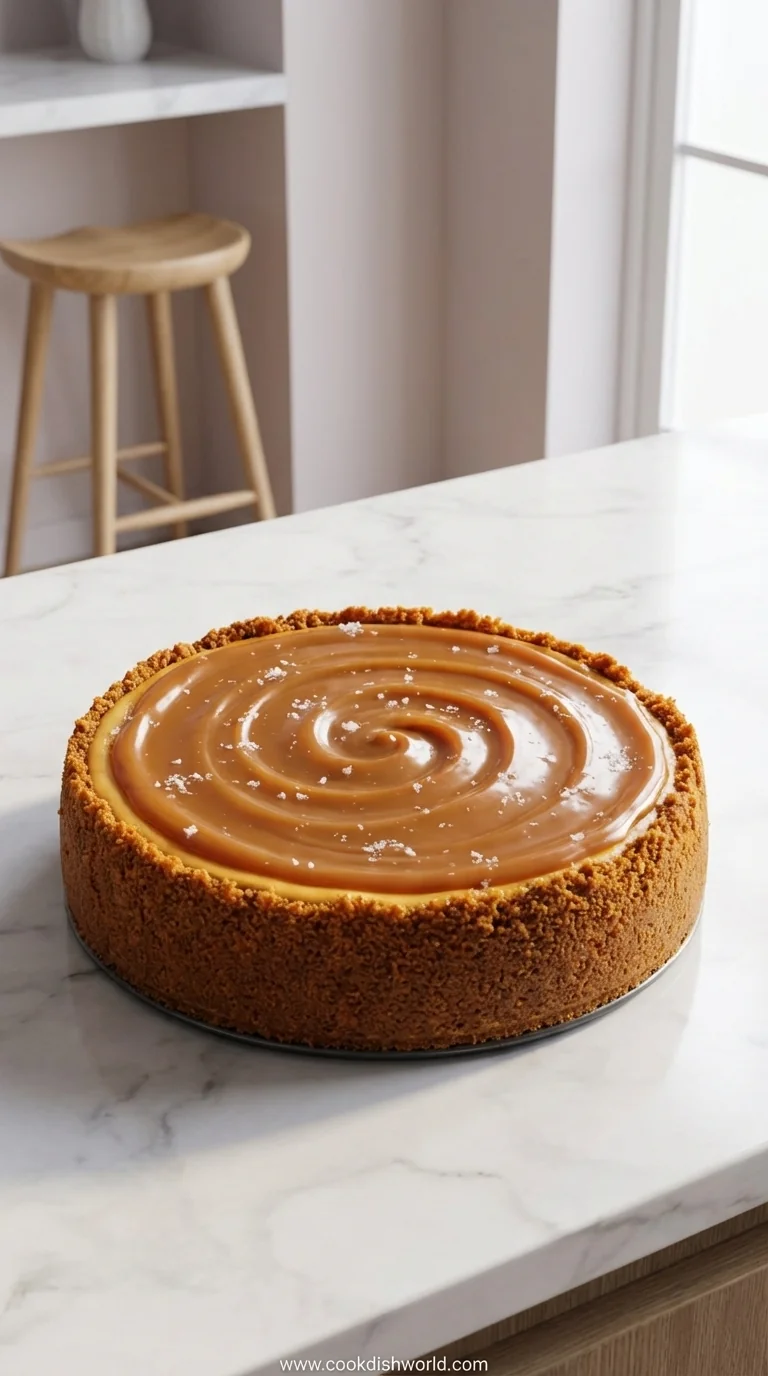
Salted Caramel Cheesecake Recipe
A silky salted caramel cheesecake with a buttery graham crust, creamy caramel swirl, and a delicate touch of sea salt – perfect for celebrations or quiet afternoons.
Timing
Prep Time
20 Minutes
Cook Time
45 Minutes
Total Time
4 Hours 15 Minutes
Recipe Details
Ingredients
Crust
- 01 1 ½ cups graham cracker crumbs
- 02 3 tbsp melted butter
- 03 2 tbsp brown sugar
Filling
- 01 24 oz full‑fat cream cheese, softened
- 02 ¾ cup granulated sugar
- 03 3 large eggs
- 04 ¼ cup sour cream
- 05 2 tsp vanilla extract
- 06 1 tsp lemon juice
- 07 ½ cup caramel sauce, cooled
- 08 ¼ tsp sea salt, plus extra for garnish
Caramel Swirl
- 01 ½ cup caramel sauce
- 02 ¼ tsp sea salt
Instructions
Preheat the oven to 325°F (160°C). Press the graham cracker crumbs, melted butter, and brown sugar together; spread into the bottom of a 9‑inch springform pan. Bake for 8 minutes, then set aside to cool.
In a large bowl, beat the softened cream cheese until smooth. Add sugar and beat until fluffy – this is where the texture begins to sing.
Blend in the eggs one at a time, then stir in sour cream, vanilla, lemon juice, and the pinch of sea salt. Fold in the cooled caramel gently, creating ribbons that look like gentle rivers.
Pour the filling over the crust, then drizzle the remaining caramel sauce on top. Use a knife to swirl, creating a marbled effect.
Place the springform pan inside a larger roasting pan. Fill the outer pan with hot water until it reaches halfway up the sides of the springform – a classic water‑bath technique.
Bake for 45‑50 minutes, until the edges are set but the center still jiggles gently. Turn off the oven, crack the door, and let the cheesecake cool inside for an hour.
Refrigerate the cheesecake for at least four hours, preferably overnight. Before serving, sprinkle a bit more sea salt on top for that final sparkle.
Notes & Tips
- 1 If you prefer a richer caramel, let it cook a minute longer before adding salt.
- 2 A gentle tap on the pan after baking helps release any tiny air bubbles.
- 3 For a glossy finish, brush a thin layer of melted butter on the crust before the first bake.
Tools You'll Need
-
9‑inch springform pan
-
Mixing bowls
-
Electric mixer
-
Rubber spatula
-
Cooking thermometer
-
Roasting pan for water bath
Must-Know Tips
- Don't over‑beat the filling; keep it smooth.
- Cool caramel to a syrupy stage before swirling.
- Use a water bath to prevent surface cracks.
- Chill thoroughly before removing from the pan.
Professional Secrets
- Room temperature cream cheese ensures even mixing.
- A water bath creates gentle, even heat distribution.
- Resting the cheesecake in the oven prevents sudden cooling.

Recipe by
AmeliaAmelia is a seasoned food blogger and recipe creator at CookDishWorld, where she blends culinary expertise with an unwavering love for sharing delicio ...
Get Delicious Recipes Weekly
Join 25,000+ home cooks getting our best recipes straight to their inbox.
Free forever • No spam • Unsubscribe anytime